How China Wildflower Conservation Changed Mountain Tourism
For a long time, mountain tourism in western China followed almost the exact same script. Travelers would fly into Chengdu, visit the panda bases, stop at Jiuzhaigou, take a few scenic mountain photos, and head home feeling like they had “ done ” Sichuan.
Now, people are showing up for flowers.
They’re not there for the gardens or curated parks. Instead, they’re interested in actual alpine wildflowers growing across remote mountain slopes that only stay in bloom for a short stretch every year.
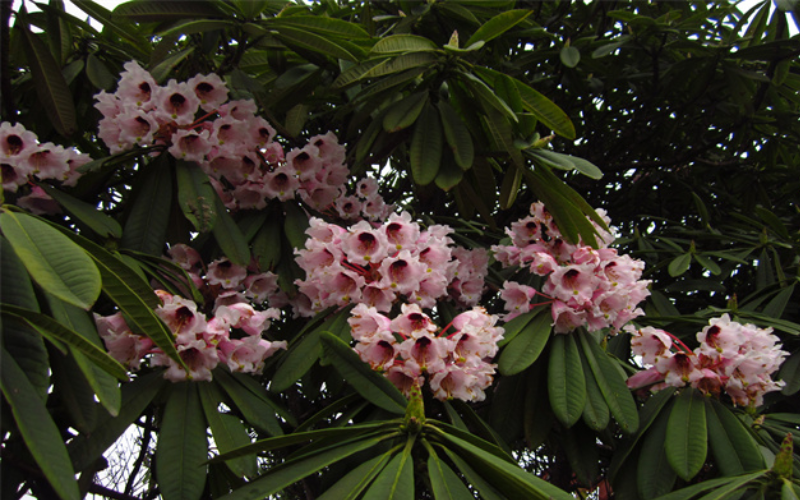
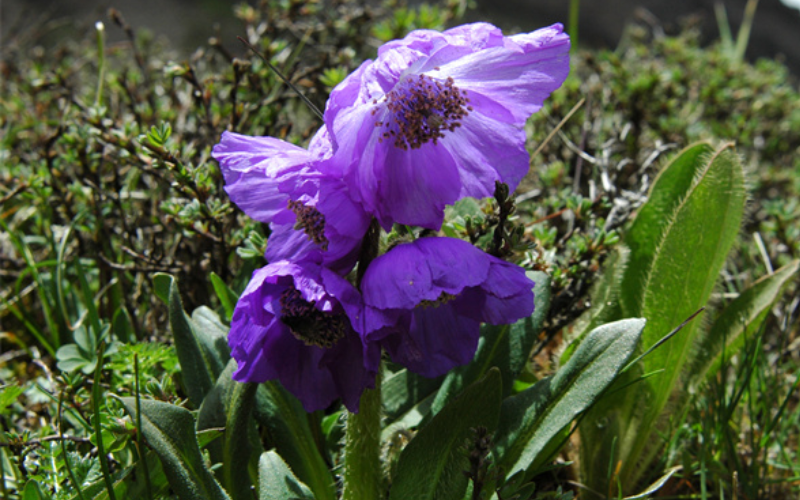
Over the last few years, travelers heading into the Hengduan Mountains and western Sichuan have started planning entire itineraries around bloom windows instead of famous landmarks. Some are photographers chasing Himalayan blue poppies after seeing them online. Others are hikers looking for quieter alternatives to overcrowded tourist routes. Surprisingly, a lot of younger travelers simply want landscapes that still feel undiscovered.
That shift has quietly pushed China wildflower conservation into the middle of mountain tourism conversations in a way that probably would have sounded niche a decade ago.
The interesting part is that this trend does not feel like traditional eco - tourism. It feels much more personal and experience - driven. Travelers are no longer satisfied with seeing beautiful places from observation decks. They want timing, atmosphere, weather, and seasonality. They want to feel like they arrived at exactly the right moment.
Fortunately, flower seasons create that feeling naturally because they are unpredictable.
Why are More Travelers Visiting Sichuan for Wildflowers ?
Part of it honestly comes down to travel fatigue. A lot of people are tired of destinations that feel overly commercialized or designed entirely for social media. Even some famous mountain areas around the world now feel more like queues than actual nature experiences.
Wildflower tourism offers the opposite energy.
In western Sichuan, reaching certain bloom areas can still involve long drives, changing weather, rough mountain roads, and a bit of uncertainty. Travelers do not always know exactly what conditions they will find when they arrive. Oddly enough, that uncertainty has become part of the appeal.
Some flower valleys peak for barely two weeks. A late snowfall can delay blooming completely. Heavy rainfall can shorten an entire season. Travelers are beginning to plan around those natural rhythms instead of expecting destinations to perform perfectly on schedule.
That mindset shift is changing tourism itself.
How Social Media Accidentally Changed Mountain Tourism
Social media definitely played a role, but not in the usual “ luxury travel influencer ” way.
A lot of the recent interest came from quieter travel content. Videos showing fog rolling across alpine meadows, close - up footage of Meconopsis blooms moving in the wind, or hikers walking through rhododendron valleys started circulating online over the last few years.
The landscapes looked untouched compared to many heavily photographed destinations people were already tired of seeing. That attention changed where travelers started going.
Instead of sticking only to famous attractions, more visitors began exploring lesser - known biodiversity zones near Balang Mountain and remote parts of the Hengduan range. Local guides in some areas have mentioned that travelers now arrive asking about bloom timing before they even ask about major scenic sites.
That probably says a lot about how priorities are shifting.
What Problems are Starting to Appear ?
The complicated part is that these ecosystems are not built for heavy tourism.
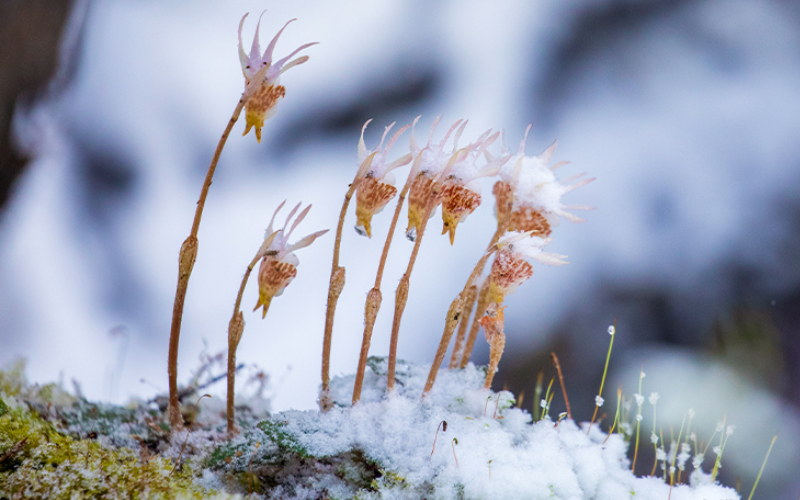
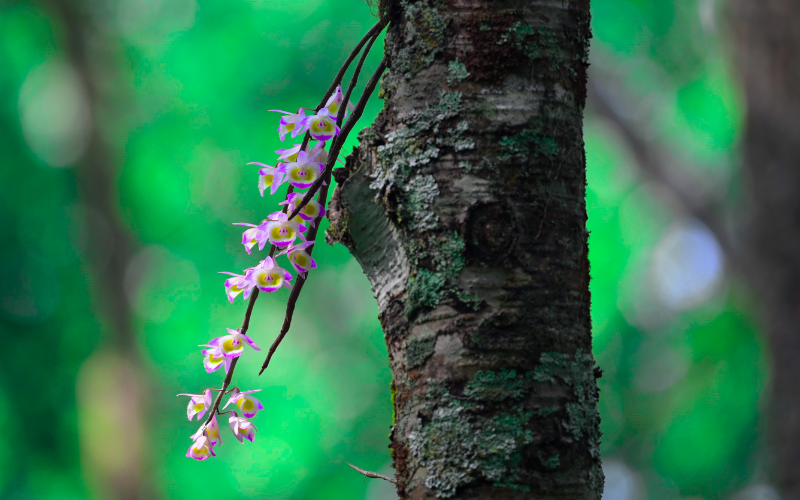
Many alpine flowers in western China grow within extremely narrow elevation ranges. Some species exist in habitats that can be damaged surprisingly easily, especially during peak bloom periods when photographers and hikers move off trails looking for better angles.
Honestly, social media sometimes makes this worse.
A single viral photo location can suddenly bring hundreds of visitors into fragile areas that previously saw very little foot traffic. Local conservation discussions in Sichuan have increasingly focused on -
- Trampling damage
- Informal hiking paths
- Pressure on sensitive meadows during flowering season
Climate change is making the situation even more unpredictable.
Researchers and conservation groups across western China have observed shifting flowering periods in recent years due to warmer temperatures and earlier snowmelt. Some blooms are appearing earlier than expected, while others are becoming less reliable altogether.
That may sound like a small issue until you realize entire travel itineraries are now being planned around these bloom cycles.
Why Local Communities are Paying Attention
One thing that makes this tourism shift different from older mass - tourism models is that local knowledge suddenly matters again.
Travelers are relying more on smaller guides who understand weather conditions, flowering patterns, and mountain ecosystems instead of generic sightseeing schedules. In several mountain communities, seasonal flower tourism is creating income through guiding, transport, and family - run stays without requiring the kind of large - scale infrastructure that usually changes mountain towns permanently.
There is also a noticeable change in traveler behavior .
People are asking more questions about -
- Protected zones
- Ethical hiking
- Low - impact travel
That does not mean tourism is automatically sustainable now, but awareness around fragile ecosystems is definitely becoming more mainstream.
That may end up being the biggest shift of all.
Final Thoughts ,
Mountain tourism in western China is no longer only about scenery. Increasingly, it is about understanding that these landscapes are temporary, climate - sensitive, and far more fragile than they first appear.
That is why conversations around China wildflower conservation are becoming so important. They are not only about protecting rare flowers anymore. They are becoming part of a larger discussion about how tourism can exist in places people are suddenly paying attention to much more intensely than before.