Why Wildflower Photography Locations in China Surprise Pros
Ask most professional nature photographers where the world’s best wildflower photography spots are, and you’ll hear the usual answers : the Rockies, the Alps, Patagonia, maybe Iceland. China rarely makes the first list.
But the funny thing is, photographers who actually visit often leave completely surprised.
Once they start exploring wildflower photography locations in China, they realize the country holds an insane range of ecosystems, rare species, and high - altitude landscapes that don’t really exist anywhere else. From Tibetan plateau meadows to glacial valleys in Sichuan, the diversity of flowers and scenery tends to exceed expectations.
So why do seasoned photographers keep getting surprised ? A few reasons keep coming up again and again.
How Diverse Are Wildflowers in China ?
One of the biggest surprises is just how many plants exist here. China has recorded around 35,000 plant species, which is more than one - tenth of all known plant species worldwide.
For photographers, that means the variety of subjects is massive. In a single region you might see :
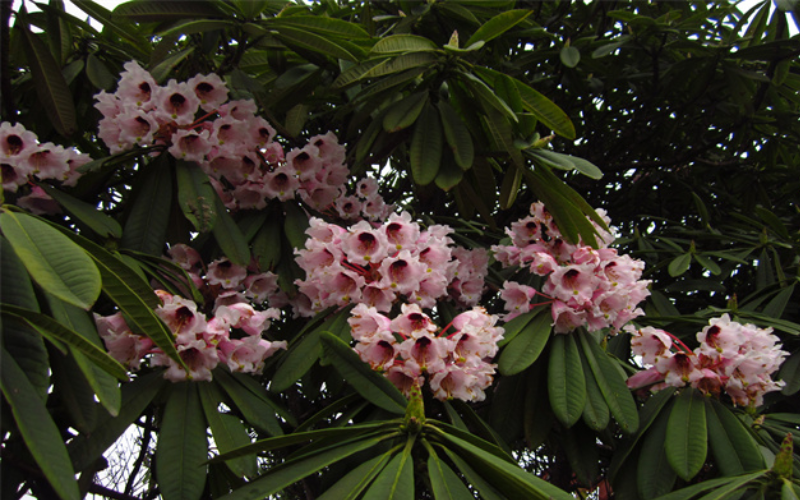
- Rhododendrons covering mountain slopes
- Primulas blooming near streams and wetlands
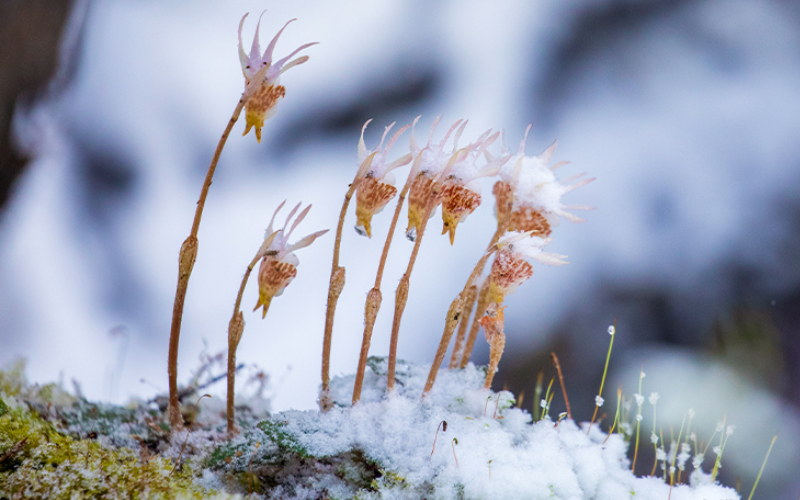
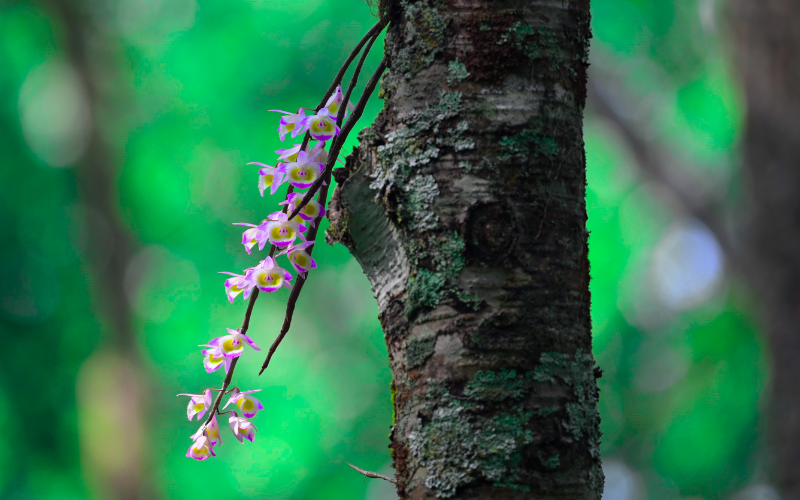
- Cypripedium orchids hiding in forest understories
- Meconopsis blue poppies glowing in alpine meadows
Many of these plants are endemic, meaning they naturally grow only in parts of China or the Himalayas. In other words, photographers aren’t just shooting pretty flowers. They’re often photographing species they’ve never seen anywhere else.
How Does Altitude Affect Wildflower Growth in China ?
Another reason photographers are caught off guard is the altitude range.
In western China, landscapes can shift from river valleys to alpine plateaus in just a few hours of driving. That means the plant life changes dramatically as you climb.
Typical transitions look something like this :
- Lower valleys : forests with orchids, lilies, and woodland flowers
- Mid - elevation slopes : rhododendron forests and primula colonies
- High alpine meadows : poppies, gentians, and cushion plants
- Plateau grasslands : waves of wildflowers mixed with grazing yaks
Some alpine species even grow above 4,000 meters, surviving intense wind, cold, and short growing seasons. For photographers, that altitude layering creates wildly different compositions in a single trip.
What Makes China’s Mountain Landscapes Unique for Flower Photography ?
A lot of famous wildflower destinations are beautiful, but the terrain can be predictable. China’s mountain regions are different.
In Sichuan and nearby provinces, wildflowers grow alongside :
- Glacier - fed valleys
- High mountain passes
- Limestone pools and waterfalls
- Tibetan plateau grasslands
Take the example of Huanglong Scenic and Historic Interest Area, a UNESCO World Heritage site famous for its bright travertine pools and alpine forests. The region is also home to endemic orchid species like Cypripedium plectrochilum, making it a dream location for both landscape and macro photographers.
Basically, you’re not just photographing flowers. You’re photographing flowers in some of the most dramatic environments on Earth.
What Rare Flowers Do Photographers Travel to China to See ?
Another reason professionals get excited about China is the chance to photograph species that are almost mythical in the botanical world.
A few of the big ones include :
- Himalayan blue poppies (Meconopsis)
- Lady’s slipper orchids (Cypripedium)
- Primula species in hundreds of variations
- Rheum nobile, the towering “noble rhubarb” of alpine zones
Many of these plants bloom only briefly and grow in remote locations. In fact, about 80% of the world’s Meconopsis species occur in China’s Himalayan regions, which is why botanists and photographers travel there specifically to find them.
For serious plant photographers, that kind of rarity is a huge draw.
How Do Local Cultures Shape China’s Wildflower Landscapes ?
Another thing people don’t expect is how closely the landscapes connect with local culture.
Many flower - rich regions are home to Tibetan, Qiang, or other ethnic communities. Photographers often find themselves shooting :
- Flower meadows beside Tibetan villages
- Yak - grazed grasslands filled with wildflowers
- Ancient mountain monasteries surrounded by blooms
This mix of natural and cultural scenery adds storytelling depth to photographs. Instead of isolated flower shots, photographers capture entire environments where plants, wildlife, and people coexist.
Why Do Photographers Love the Lighting in China’s High Mountains ?
Here’s a more practical reason photographers get excited : the lighting.
High-altitude regions often have :
- Thin, clear air
- Dramatic cloud movement
- Long golden hours
That combination creates strong contrasts, glowing flower colors, and incredible sunrise or sunset scenes. Alpine flowers like Meconopsis integrifolia often appear against dark mountains or glowing skies, producing the kind of shots that look almost unreal.
For landscape photographers especially, this is pure gold.
In Conclusion,
The truth is, China has quietly become one of the most exciting destinations for plant and nature photography.
The biodiversity is massive, the landscapes are dramatic, and the flower species (especially in the mountains of Sichuan, Yunnan, and the eastern Tibetan Plateau) are some of the most unique on Earth.
That’s why more photographers are beginning to explore wildflower photography locations in China. Once they see the combination of rare blooms, high - altitude ecosystems, and stunning mountain scenery, the surprise quickly turns into obsession.